Judge Questions Google’s Latest Traffic Grab From Publishers in Penske vs Google
WEST PALM BEACH, FL – A federal judge is questioning whether Google is using its search monopoly to take publishers’ content while sending them increasingly little traffic in return. During a hearing in Penske Media Corporation’s antitrust lawsuit against Google, U.S. District Judge Amit Mehta reportedly described the situation as “really unfair” and questioned whether Google’s AI products are being built “on the backs of the publishers.”
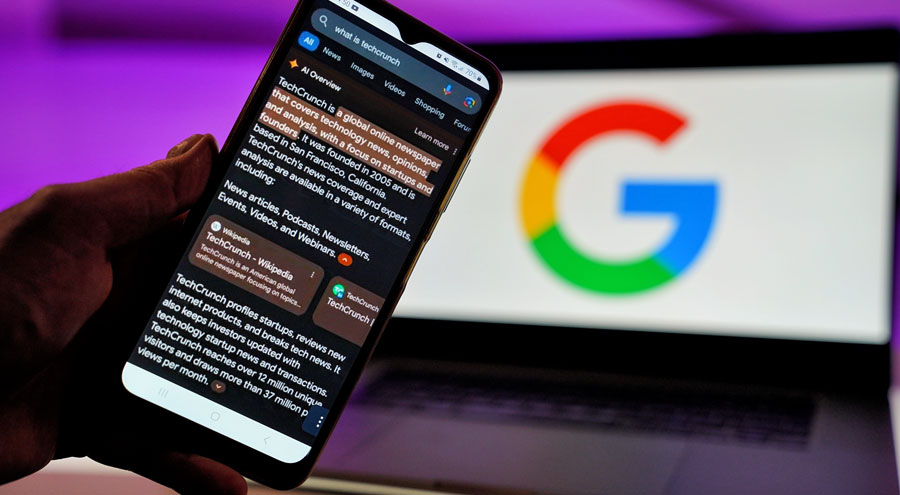
Penske, which publishes Rolling Stone, Variety, Billboard and The Hollywood Reporter, argues that Google uses publisher content to generate AI Overviews that answer questions directly within its search results. Those answers can eliminate much of the reason for users to visit the websites that produced the information. Google characterizes AI Overviews as an improvement to its search product. It also argues that publishers can prevent Google from using their material, although doing so may require them to surrender visibility within the world’s dominant search engine.
That is not much of a choice.
Publishers have spent decades allowing Google to crawl their websites under an understood arrangement: Google could index the material, and publishers could receive visitors in return. AI Overviews fundamentally alter that exchange. Google can now extract information, assemble its own answer and keep the user on Google. Mehta previously ruled that Google illegally maintained a monopoly in online search. He has not ruled on Google’s request to dismiss the Penske case, but his questions suggest that he is taking the publisher’s argument seriously.
The technology is new, but the strategy is not.
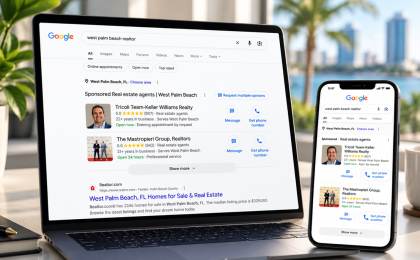
In 2017, I wrote about Google placing business information, definitions, answers and other website content directly inside its search results. The article, “Who Needs Domains and Websites Anyway? Google Says You’re a Loser,” warned that Google was steadily shifting from directing people to websites to becoming the destination itself. AI Overviews are the same traffic grab on a much larger scale. Google no longer needs to display one borrowed definition or business detail. It can digest information from numerous websites and produce a complete response before the user ever reaches an organic result. Google may call that product improvement.
Publishers may reasonably call it taking the value they created and using it to replace them.
For website owners, the real question is no longer whether Google will continue keeping more search traffic for itself. It is whether courts will finally decide that Google’s control over search prevents it from rewriting the publisher relationship entirely on its own terms.

John Colascione is Chief Executive Officer of SEARCHEN NETWORKS®, a digital marketing and technology company founded in 2001. An entrepreneur, author, and digital publisher with more than 25 years of experience, he specializes in search engine marketing, Website Monetization, domain names, and online business development. He is the author of Mastering Your Website and publishes commentary on technology, digital marketing, and the evolving Internet economy. Read more at JohnColascione.com.
Add STRATEGIC REVENUE as a Google Preferred Source to see more of our business, technology, and digital strategy coverage in Google Search.
Add Strategic RevenueYou can now select the categories you're interested in and receive email updates when new articles are published in only those categories.