Hackers Claim PayPal Credential Dump Exposes 15.8 Million Accounts
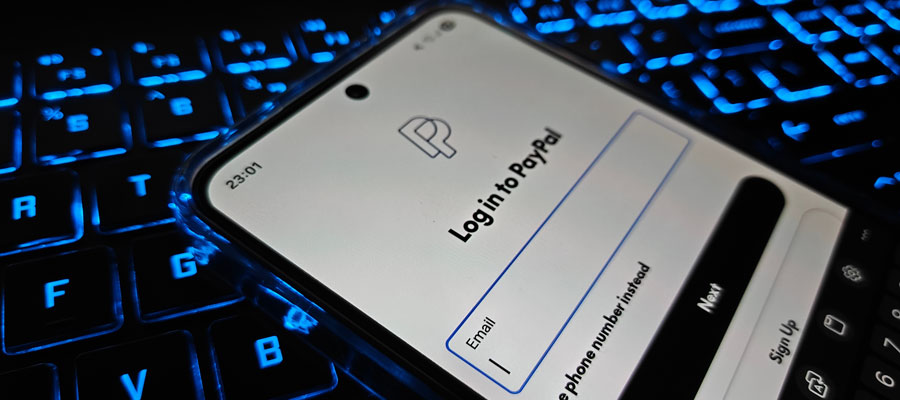
SAN JOSE, CA – A massive set of PayPal login credentials has surfaced for sale on a dark web marketplace, with hackers alleging it contains information on nearly 15.8 million accounts worldwide. The dataset reportedly includes email addresses, plaintext passwords, and associated PayPal login URLs – a combination that, if authentic, could enable criminals to commit widespread identity theft and financial fraud.
Hackers’ Claims
The seller is advertising the database, sized at roughly 1.1 GB, for about $750 – a surprisingly low price given the scale of the alleged compromise. According to the hacker, the information was collected as recently as May 2025, which would make it one of the largest and most recent PayPal credential dumps to date.
The format of the leak – credentials paired with login portal URLs – matches data often harvested through infostealer malware, malicious software that collects saved logins from infected devices rather than breaching PayPal’s servers directly.
PayPal’s Response
PayPal has pushed back against the claims, stating that no new security breach has occurred. Instead, the company pointed to a previously disclosed 2022 incident in which attackers gained access to tens of thousands of accounts through credential-stuffing attacks, leading to regulatory scrutiny and a $2 million settlement with U.S. authorities.
The company maintains that the newly advertised dump does not represent fresh compromise of its systems and is likely repurposed or recycled data from older incidents combined with credentials stolen from infected users’ devices.
Questions of Authenticity
Cybersecurity researchers have not yet been able to independently verify the full dataset. Small samples have circulated in security circles, but experts warn that the low asking price, volume of records, and overlap with known past leaks raise doubts about its legitimacy. If the data were truly fresh, it would almost certainly fetch a higher price and draw immediate exploitation attempts by fraudsters.
Still, even partially valid credentials can pose risks. Attackers often test leaked logins across multiple platforms, hoping users have reused the same email and password combinations across different services.
What Users Should Do
While PayPal disputes that its own systems were breached, security experts caution that users should treat the claims seriously. Steps to reduce risk include:
- Changing PayPal passwords immediately, especially if reused elsewhere.
- Enabling two-factor authentication (2FA) on PayPal and other sensitive accounts.
- Using a password manager to create unique, strong credentials for every service.
- Monitoring accounts closely for suspicious logins or unauthorized transactions.
- Watching for phishing attempts, as leaked email addresses may be used for targeted scams.
The Bigger Picture
Large-scale credential dumps have become a fixture of the cybercrime economy. Even when companies like PayPal are not directly breached, end-users remain vulnerable through malware infections, password reuse, and phishing attacks.
Whether this particular dataset proves authentic or not, the event underscores the ongoing importance of proactive account security – and the risks of assuming that a service provider alone can prevent fraud.

About The Author: John Colascione is Chief Executive Officer of SEARCHEN NETWORKS®. He specializes in Website Monetization, is a Google AdWords Certified Professional, authored a how-to book called ”Mastering Your Website‘, and is a key player in several online businesses.
Add STRATEGIC REVENUE as a Google Preferred Source to see more of our business, technology, and digital strategy coverage in Google Search.
Add Strategic RevenueYou can now select the categories you're interested in and receive email updates when new articles are published in only those categories.