
Google Launces New System for Creating Web Page Titles In Search Results
WEST PALM BEACH, FL – Web page titles may begin to appear differently in search results on Google as they have altered its system for generating titles for search listings. On Tuesday, August 24, 2021, Google said it had made the change, a week ago.
Old Titles:
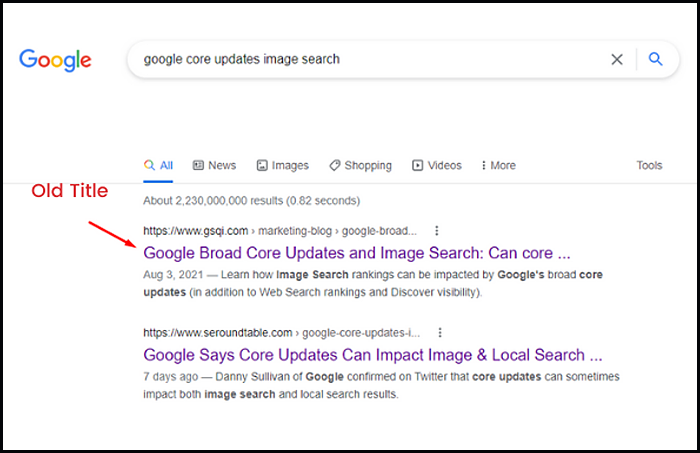
New Titles:
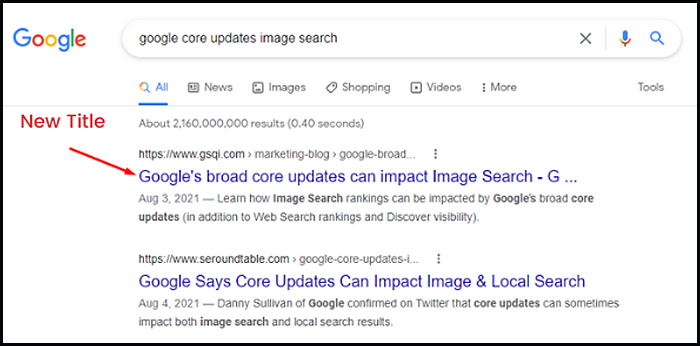
Google said it will still use HTML title tags as the principal way of generating titles more than 80% of the time. However, they won’t do it if they determine there is a better more accurate title for users. Google will now use the text that humans are able to visually see when they land on a web page. So, if your HEADER “H” TAGS are too long, the system may pick up another header that better conveys the intent of the page.

John Colascione is Chief Executive Officer of SEARCHEN NETWORKS®, a digital marketing and technology company founded in 2001. An entrepreneur, author, and digital publisher with more than 25 years of experience, he specializes in search engine marketing, Website Monetization, domain names, and online business development. He is the author of Mastering Your Website and publishes commentary on technology, digital marketing, and the evolving Internet economy. Read more at JohnColascione.com.
Add STRATEGIC REVENUE as a Google Preferred Source to see more of our business, technology, and digital strategy coverage in Google Search.
Add Strategic RevenueYou can now select the categories you're interested in and receive email updates when new articles are published in only those categories.

Thanks for the report.
Google has been rewriting page titles for years, using a variety of approaches, generally based on title tags and title elements, especially when those page components are long, include conjunctions and other “stop” words, or are not as “local” as Google believed the page content to represent.
One has to wonder how far Google will go with pretending that identified web sites published things they didn’t actually publish, before there’s push-back or legal consequences. In some ways, this is no different than erroneously paraphrasing someone using quotes — could be libelous, in some contexts.